Crackfilling vs. Patching: Which Should You Do First?
Maintaining a professional and safe parking lot requires more than just a fresh coat of paint; it requires understanding the structural integrity of your asphalt.
The Dilemma of Asphalt Maintenance
If you own a commercial property in a top 30 Ontario city like Thunder Bay, you know that the weather can be unforgiving. The freeze-thaw cycles of the Canadian climate are the primary enemies of asphalt. As temperatures fluctuate, water seeps into tiny fissures, expands as it freezes, and creates larger problems. This leads to a common question among property managers: Should we focus on crackfilling or patching first?
At Capital Parking Lot Line Painting, we see property owners struggle with this decision frequently. While both processes are essential components of a comprehensive maintenance plan, they serve very different purposes. Performing them in the wrong order can lead to wasted resources and premature pavement failure.
Understanding Crackfilling: The Preventative Shield
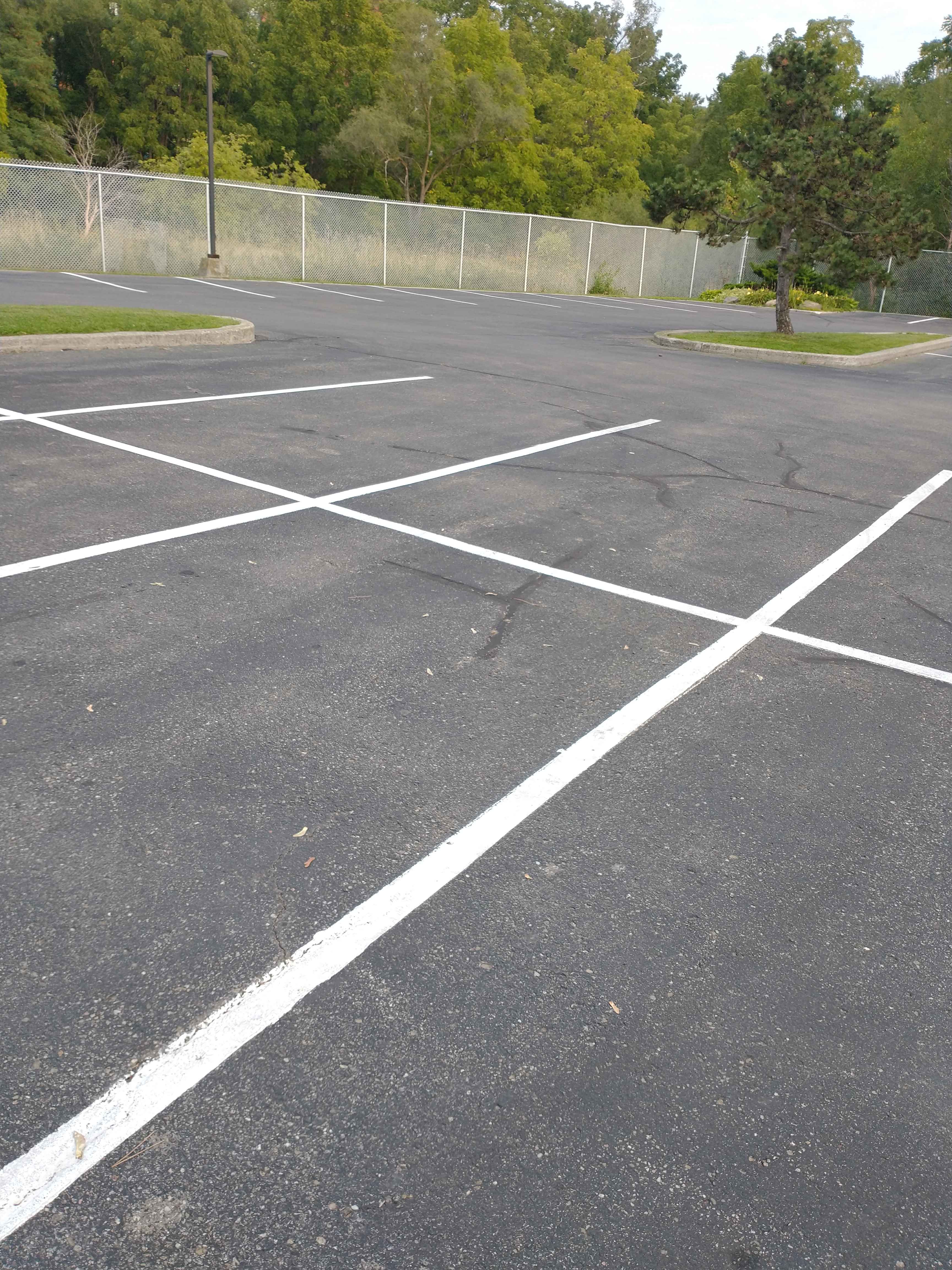
Crackfilling is a preventative maintenance technique. It involves cleaning out existing cracks and filling them with a hot-poured rubberized sealant. This process acts as a waterproof barrier, preventing water from reaching the sub-base of your parking lot.
Think of crackfilling as the "first line of defense." By sealing small cracks before they expand, you are effectively stopping the clock on deterioration. For properties in Thunder Bay, where winter moisture is a constant threat, regular crackfilling is non-negotiable for long-term asset protection.
Benefits of Timely Crackfilling:
- Prevents water infiltration into the asphalt base.
- Stops small cracks from turning into large potholes.
- Extends the overall lifespan of the pavement.
- Maintains a cleaner appearance for your facility.
Understanding Patching: The Corrective Cure
While crackfilling is preventative, patching is corrective. Patching (or pothole repair) is used when the damage has already progressed beyond a simple crack. When the structural integrity of the asphalt has failed—often due to a collapsed sub-base or severe erosion—a patch is required to restore a level driving surface.
Patching involves removing the damaged section of asphalt entirely and replacing it with new hot-mix asphalt. This is a structural repair, not a cosmetic one. If you attempt to simply "fill" a pothole with sealant, it will fail almost immediately because the underlying foundation is compromised.
The Golden Rule: Which Comes First?
The short answer is: Patching must come before crackfilling.
If you have large, crumbling sections of asphalt or deep potholes, you must perform those structural repairs first. If you attempt to crackfill a surface that has significant structural failures, the sealant will not adhere properly, and the movement of the unstable ground will cause the new filler to pop out within weeks. Once the structural integrity is restored through patching, you can then move into the preventative phase of crackfilling to protect those new repairs and the surrounding healthy asphalt.
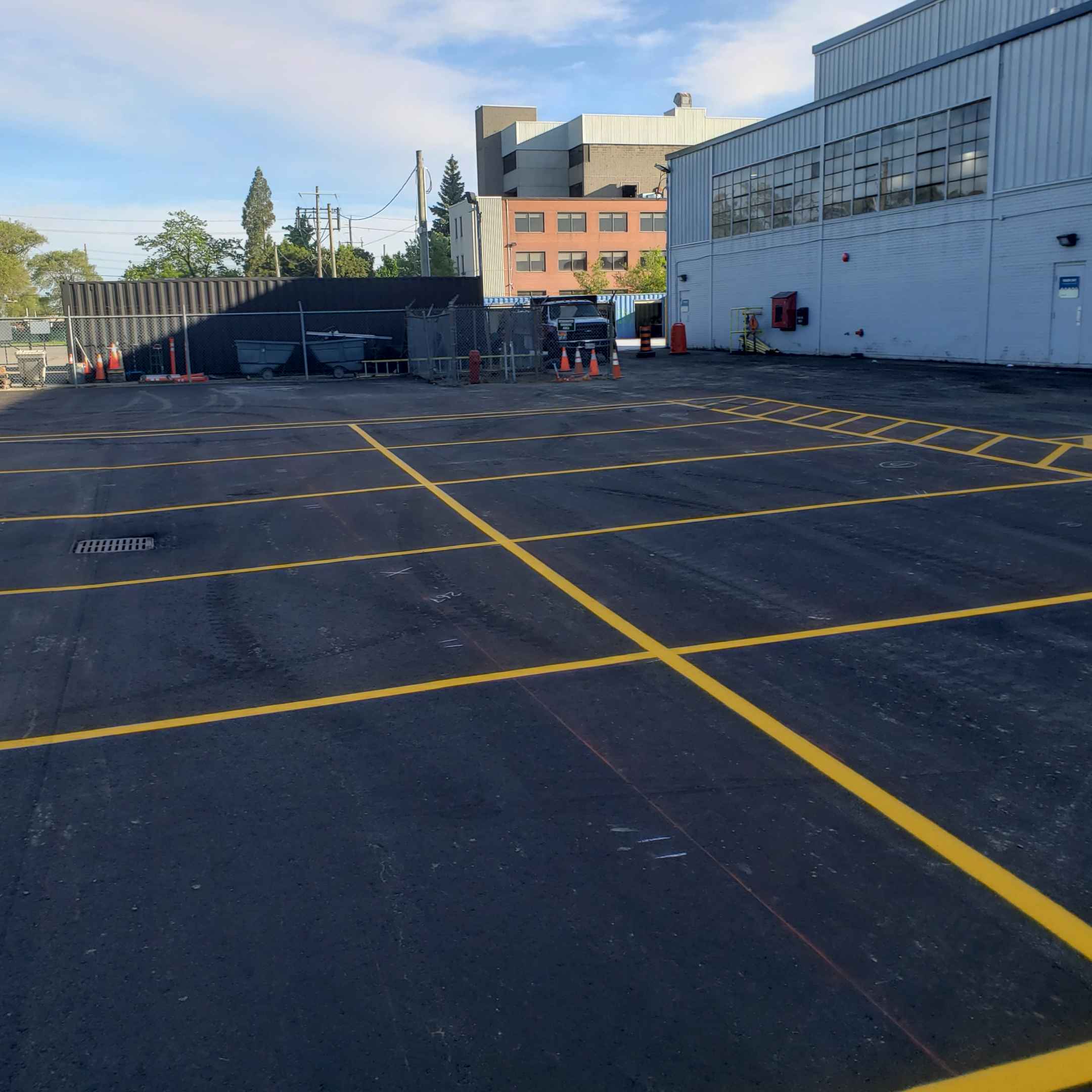
Capital Parking Lot Line Painting recommends a systematic approach: assess the damage, repair the structural holes (patching), seal the remaining fissures (crackfilling), and finally, refresh your visual markings through professional Line Painting.
Common Maintenance Mistakes to Avoid
To ensure your investment lasts, avoid these common pitfalls:
Mistake #1: Ignoring Small Cracks
Many owners wait until they see a pothole to call for help. By then, the damage is much more extensive and requires much more intensive patching.
Mistake #2: Using the Wrong Materials
Using driveway-grade DIY sealants on commercial lots often results in poor adhesion and a finish that doesn't withstand heavy vehicle traffic.
The Complete Maintenance Cycle
A well-maintained parking lot follows a logical cycle. At Capital Parking Lot Line Painting, we suggest the following workflow for maximum ROI:
- Structural Assessment: Identify potholes and sub-base failures.
- Patching: Repair all structural failures and potholes.
- Crackfilling: Seal all remaining cracks to prevent water entry.
- Sealcoating: Apply a protective layer to the entire surface.
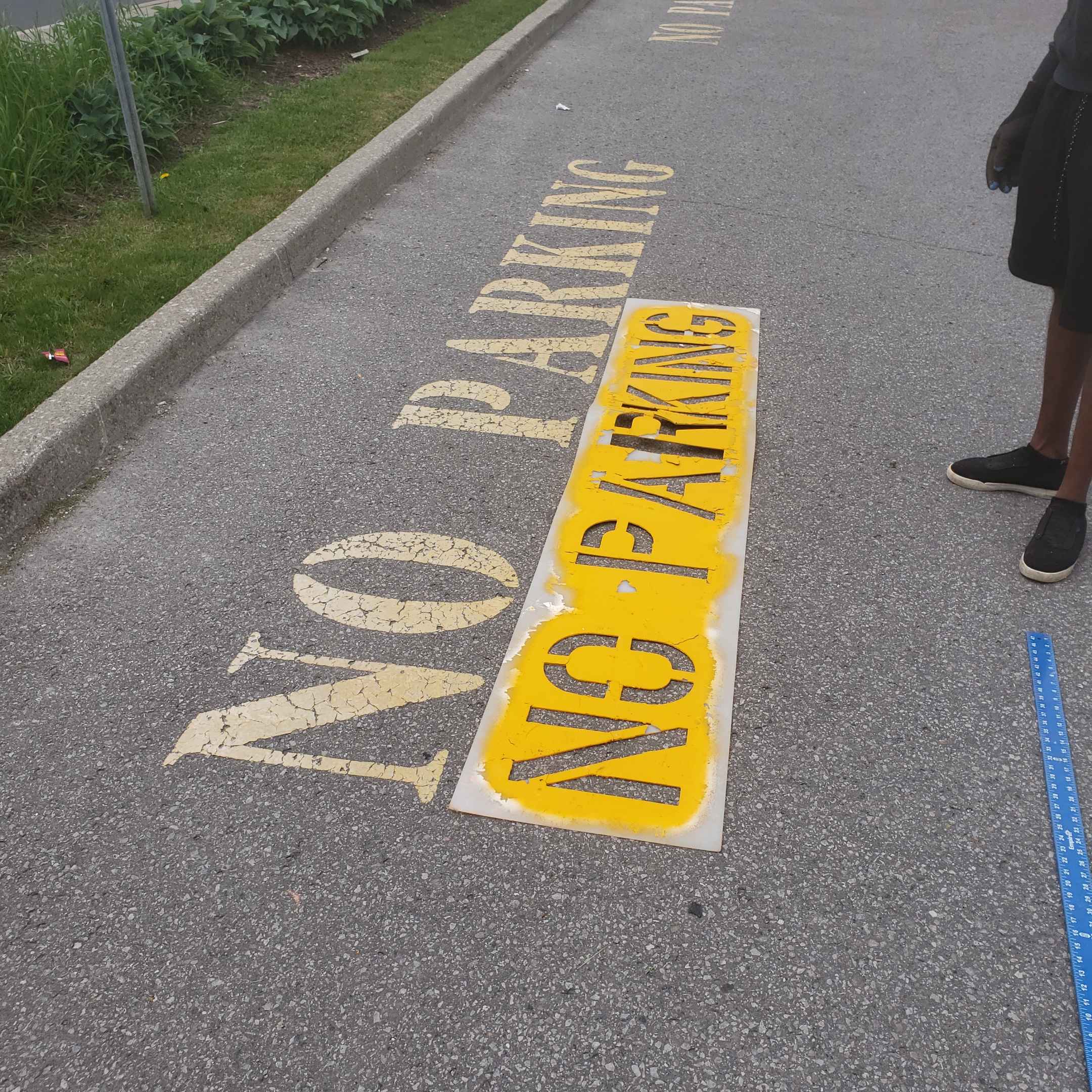
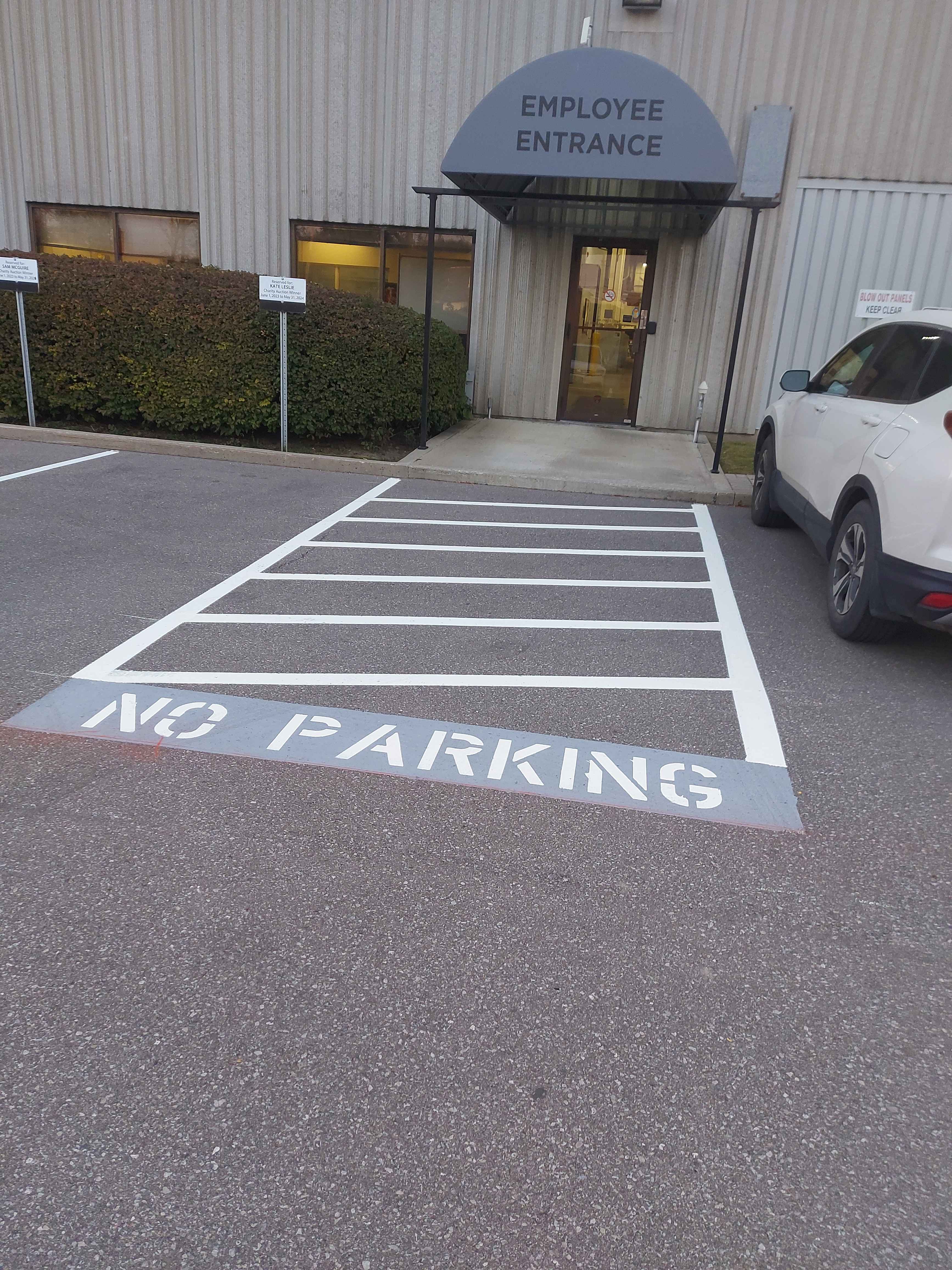
- Line Marking: Refresh your parking stalls and directional arrows for safety and compliance.
Ready to Protect Your Investment?
Don't wait for the spring thaw to reveal massive potholes. Proactive maintenance is the key to avoiding expensive reconstruction. Contact the experts to schedule your assessment today.