The Link Between Drainage and Crack Development
Understanding how water management impacts the longevity of your asphalt surfaces is critical for property owners looking to protect their investments.
The Hidden Enemy: Water and Asphalt
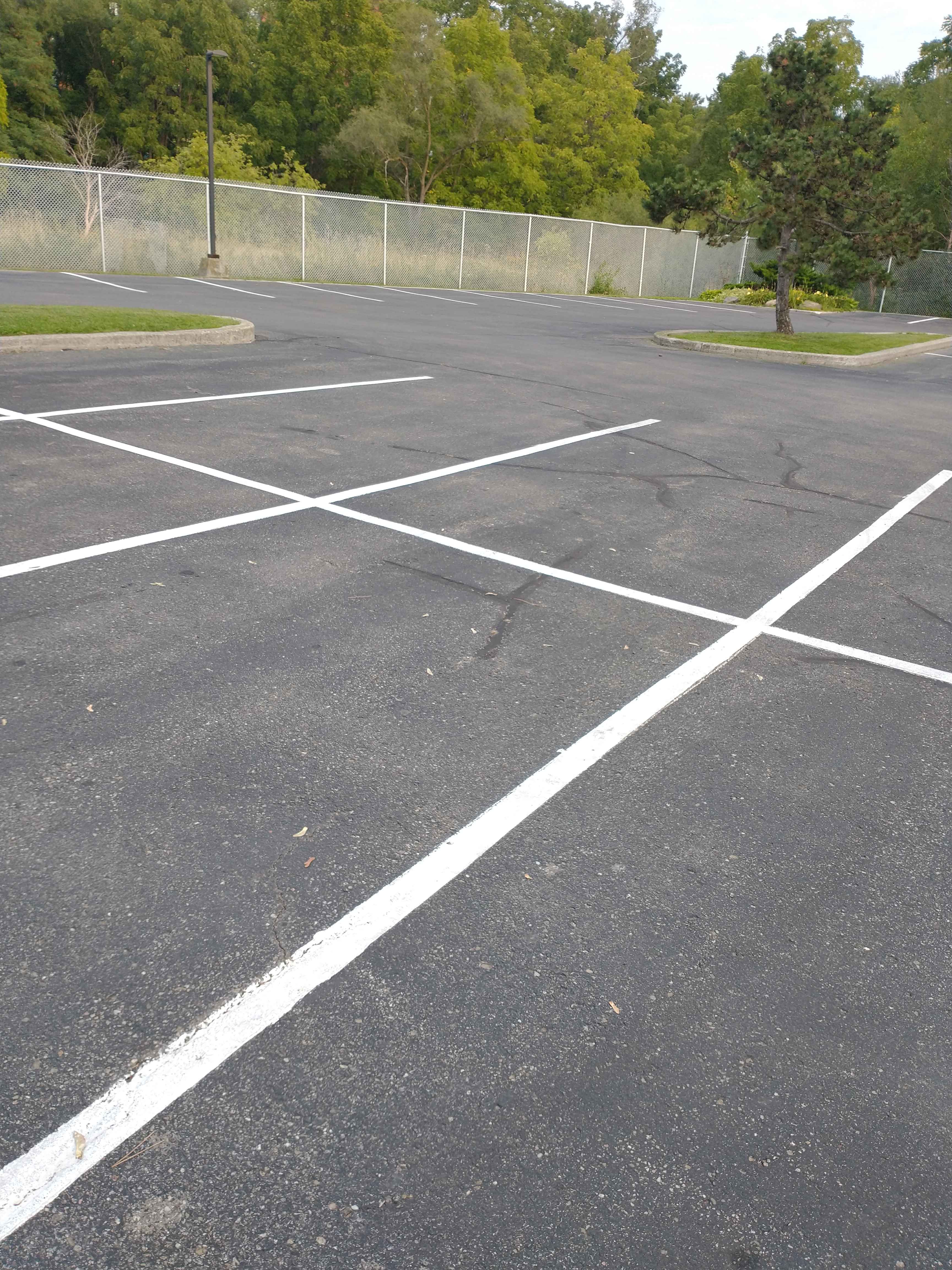
To the untrained eye, a crack in a parking lot might seem like a minor cosmetic issue. However, in the world of pavement management, cracks are often symptoms of a much deeper, more systemic problem: poor drainage. When water is allowed to pool on the surface or seep into the sub-base, it begins a destructive cycle that can compromise the structural integrity of your entire lot.
For property managers in Cambridge, seasonal changes bring heavy rainfall and snowmelt, both of which test the effectiveness of your drainage systems. If your lot isn't designed to shed water efficiently, you aren't just dealing with puddles; you are dealing with the inevitable onset of rapid pavement deterioration.
How Poor Drainage Causes Cracking
The relationship between water and asphalt is one of constant tension. Asphalt is a flexible pavement, but it relies on a stable, dry base to maintain its shape and strength. When drainage fails, several mechanical processes occur:
1. The Freeze-Thaw Cycle
In Ontario, the freeze-thaw cycle is one of the most aggressive forces acting on asphalt. When water enters small, existing fissures and then freezes, it expands. This expansion exerts immense pressure on the surrounding pavement, widening the crack. When it thaws, it leaves behind a void, making the pavement even more susceptible to the next freeze.
2. Sub-Base Saturation
If water cannot escape the surface, it migrates downward into the aggregate base. A saturated base loses its load-bearing capacity. When heavy vehicles drive over a soft, waterlogged base, the asphalt flexes beyond its limit, leading to structural cracks and eventually potholes. This is why professional maintenance from experts like Capital Parking Lot Line Painting is essential to identify these early warning signs.
3. Hydrostatic Pressure
Standing water creates pressure that can force its way into the microscopic pores of the asphalt. Over time, this weakens the bitumen binder, causing the asphalt to become brittle and prone to cracking.
Signs Your Drainage System is Failing
Proactive maintenance is far more effective than reactive repairs. Keep an eye out for these red flags on your property:
- Standing water or "birdbaths" after a rainstorm.
- Cracks that appear to be widening seasonally.
- Discoloration or darkening of the asphalt in specific areas.
- Rapidly forming potholes in low-lying sections of the lot.
- Vegetation growing through cracks (indicating soil and moisture retention).
The Role of Professional Maintenance
Maintaining a commercial lot requires a multi-faceted approach. It isn't just about fixing what is broken; it is about preserving what is working. At Capital Parking Lot Line Painting, we understand that a beautiful lot is a functional lot. While our expertise in Line Marking and Line Painting ensures your lot looks professional and organized, we always recommend addressing drainage issues simultaneously to ensure your new markings last.
A well-maintained lot in a top 30 city like Cambridge requires a combination of structural integrity and aesthetic clarity. If you ignore the cracks caused by drainage, even the highest quality Line Painting will eventually fail as the surface continues to shift and break apart.
Preventative Strategies for Property Owners
To extend the life of your asphalt, consider the following steps:
- Regularly clear debris from catch basins and storm drains.
- Seal cracks early to prevent water from reaching the sub-base.
- Ensure the slope (grade) of the parking lot directs water away from buildings and low spots.
- Schedule periodic inspections with professionals like Capital Parking Lot Line Painting.
Don't Wait for the Damage to Spread
Ignoring minor drainage issues today will lead to massive reconstruction costs tomorrow. By addressing water management and regular surface maintenance, you ensure your property remains safe, accessible, and visually appealing for years to come.