How to Spot Early Signs of Asphalt Cracking
Maintaining a pristine parking lot is about more than just aesthetics; it is about structural integrity and safety. Recognizing the subtle shifts in your pavement can save you thousands in the long run.
The Importance of Proactive Asphalt Maintenance
For property managers and business owners, the parking lot is often the first thing a customer sees. However, beneath the surface, asphalt is constantly battling the elements. In regions like Whitby, where seasonal temperature shifts can be extreme, the freeze-thaw cycle is a primary driver of pavement degradation.
At Capital Parking Lot Line Painting, we have seen firsthand how minor issues, if left unaddressed, can escalate into full-scale reconstruction projects. By learning to spot early signs of distress, you can implement targeted repairs that preserve the base layer and extend the life of your surface.
Common Types of Asphalt Cracking
Not all cracks are created equal. Understanding the specific pattern of a crack can tell you a lot about what is happening beneath the surface of your parking lot.
1. Hairline Cracks
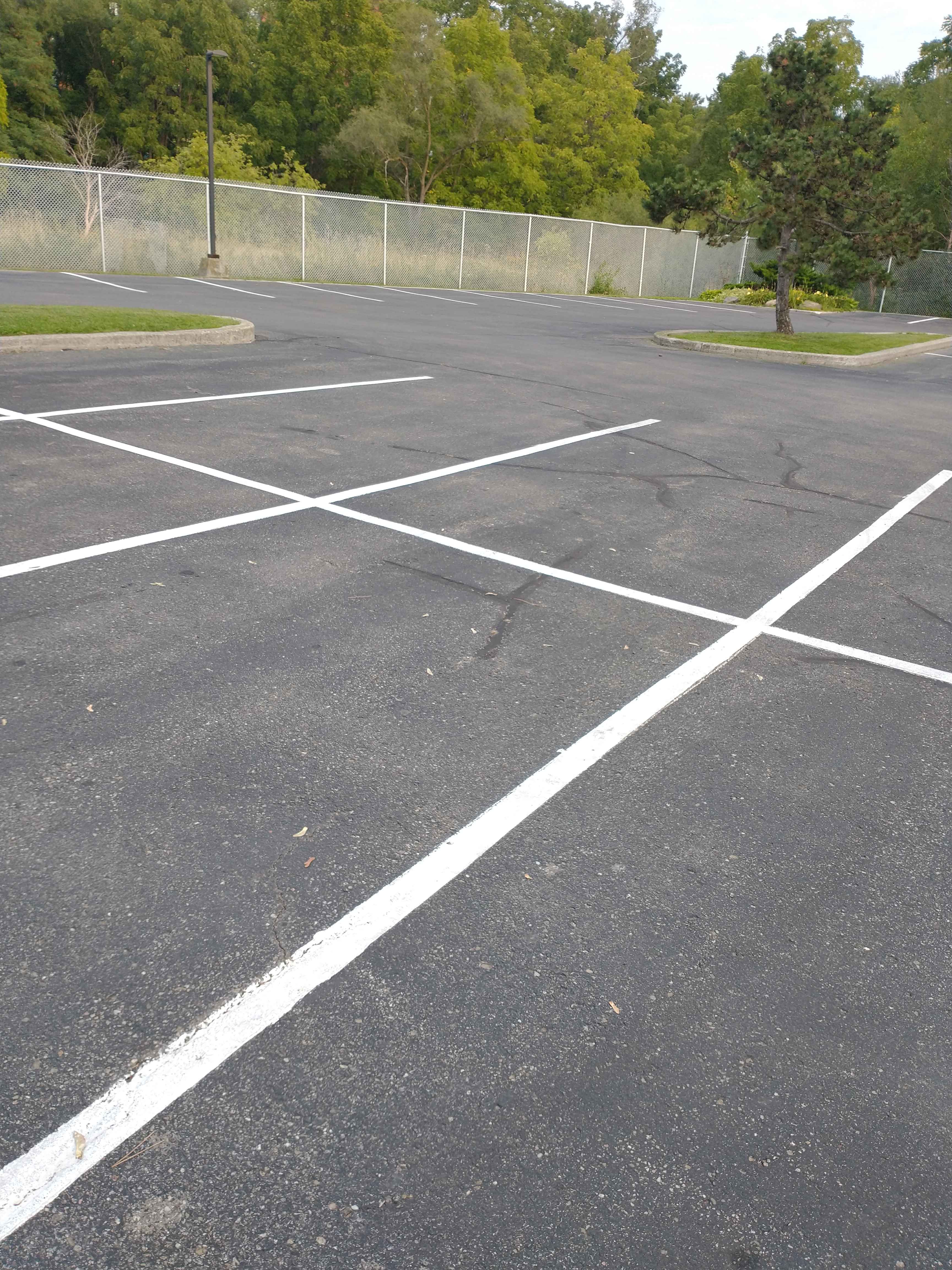
These are the most subtle signs of aging. Hairline cracks are thin, narrow openings that often appear as a web of fine lines. While they may seem insignificant, they are the entry points for water. Once water enters these cracks and freezes, it expands, widening the gap and creating a cycle of destruction.
2. Longitudinal Cracking
Longitudinal cracks run parallel to the direction of travel or along the length of a driveway. These often occur due to poor subgrade compaction or the natural settling of the earth. If you notice long, straight lines appearing in your lot, it is time to call in the experts at Capital Parking Lot Line Painting.
3. Transverse Cracking
Transverse cracks run perpendicular to the direction of travel. These are frequently caused by temperature fluctuations. As the asphalt expands and contracts with the changing weather in Ontario, the material can eventually snap, creating a crosswise break.
4. Alligator (Fatigue) Cracking
This is perhaps the most serious sign of distress. Alligator cracking looks like the scales on a reptile's skin. It consists of interconnected cracks that form a pattern of small, rectangular blocks. This usually indicates that the base layer of your asphalt has failed and can no longer support the weight of vehicles.
Why Early Detection Matters
Addressing cracks early is the difference between a simple sealcoating application and a complete repaving. Here is why you should stay vigilant:
- Water Prevention: Stopping water from reaching the subgrade prevents potholes.
- Structural Integrity: Early repairs reinforce the load-bearing capacity of the lot.
- Cost Efficiency: Small crack fills are far more economical than structural repairs.
- Visual Appeal: A well-maintained lot, complete with fresh Line Marking, improves curb appeal.
- Safety: Preventing cracks prevents tripping hazards and vehicle damage.
The Role of Professional Maintenance
Once you have identified these signs, the next step is professional intervention. A professional crew can assess whether your lot requires crack filling, sealcoating, or perhaps updated Line Painting to ensure traffic flow remains safe and organized.
Capital Parking Lot Line Painting specializes in helping property owners in Whitby and surrounding areas maintain their asphalt assets. We don't just look at the surface; we look at the longevity of your pavement.
Don't Wait for the Potholes to Appear
By the time a pothole forms, the damage is already deep. Regular inspections and timely maintenance are the keys to a long-lasting parking surface. Keep an eye out for those hairline cracks today!