How to Spot Structural Cracks in Commercial Lots
Understanding the difference between minor wear and serious structural failure is critical for every property manager and business owner.
For property owners in a bustling hub like Ottawa, the pavement of a commercial lot is more than just a place to park; it is the first impression your business makes. However, asphalt and concrete are subject to the relentless forces of nature, heavy vehicle loads, and temperature fluctuations. Over time, cracks begin to appear. While some are merely superficial, others signal deep-seated structural issues that can lead to expensive failures if left unaddressed.
At Capital Parking Lot Line Painting, we have seen firsthand how neglected cracks can evolve from small fissures into massive potholes. Recognizing these signs early can save your business significant long-term repair costs and ensure the safety of your patrons.
Types of Cracks: Cosmetic vs. Structural
Not all cracks are created equal. To manage your maintenance budget effectively, you must first learn to categorize the damage you see during your site inspections.
1. Hairline and Surface Cracks
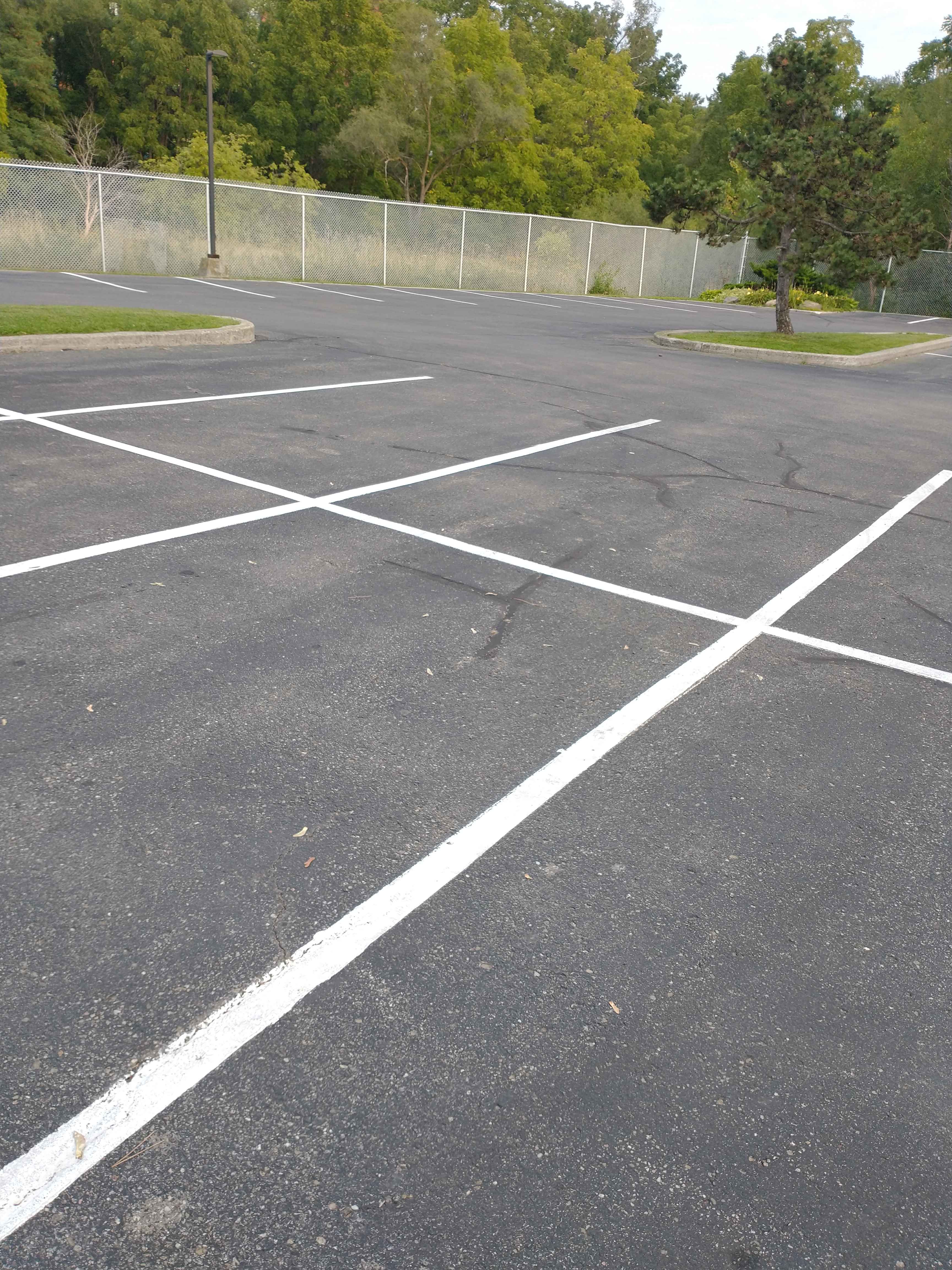
These are often the result of the asphalt drying out or minor shrinkage during the curing process. They are typically very thin and do not affect the load-bearing capacity of the lot. While they don't require immediate structural intervention, they are the perfect time to consider professional Line Marking or sealing to prevent water from entering the sub-base.
2. Alligator Cracking (Fatigue Cracking)
This is one of the most serious signs of structural distress. It looks like the scales on an alligator's back—a series of interconnected cracks forming small, irregular polygons. This usually indicates that the base layer beneath the asphalt has failed or that the pavement is too thin to support the traffic volume. If you notice this in your Ottawa property, immediate professional assessment is required.
3. Longitudinal and Transverse Cracks
Longitudinal cracks run parallel to the direction of travel, while transverse cracks run perpendicular to it. While these can sometimes be caused by thermal expansion, they often indicate poor installation or shifting sub-grades. If these cracks widen over time, they are no longer just surface issues.
The Checklist: What to Look For During Inspections
Regular walk-throughs are your best defense. Use this checklist to evaluate the health of your commercial lot:
- Width of the crack: Is it wider than a quarter? Wide cracks allow water to penetrate the foundation.
- Depth of the crack: Does the crack seem to go deep into the surface, or is it just a surface scratch?
- Vegetation growth: Are weeds growing out of the cracks? This is a sign that soil and moisture have accumulated deep within the structure.
- Puddling: Does water sit in certain areas after rain? This indicates uneven settling or structural shifting.
- Edge Cracking: Are the edges of the lot crumbling? This often suggests inadequate sub-base support at the perimeter.
Why Early Detection Matters
Ignoring structural cracks is a gamble with your property's value. When water enters a crack, it reaches the sub-base. In a climate like Ontario's, that water freezes, expands, and creates even larger voids. This cycle leads to rapid deterioration.
By partnering with experts like Capital Parking Lot Line Painting, you can implement a proactive maintenance schedule. This might include crack filling, sealcoating, or refreshed Line Painting to ensure that your lot remains organized and safe for high-traffic commercial use.
Protect Your Investment
Don't wait for a pothole to form and cause a liability issue. Regular inspections and professional maintenance are the keys to a long-lasting parking surface. Capital Parking Lot Line Painting provides the expertise needed to keep your commercial lot in peak condition.