How to Spot Structural Cracks in Commercial Lots
Understanding the difference between minor wear and major structural failure is essential for every commercial property owner.
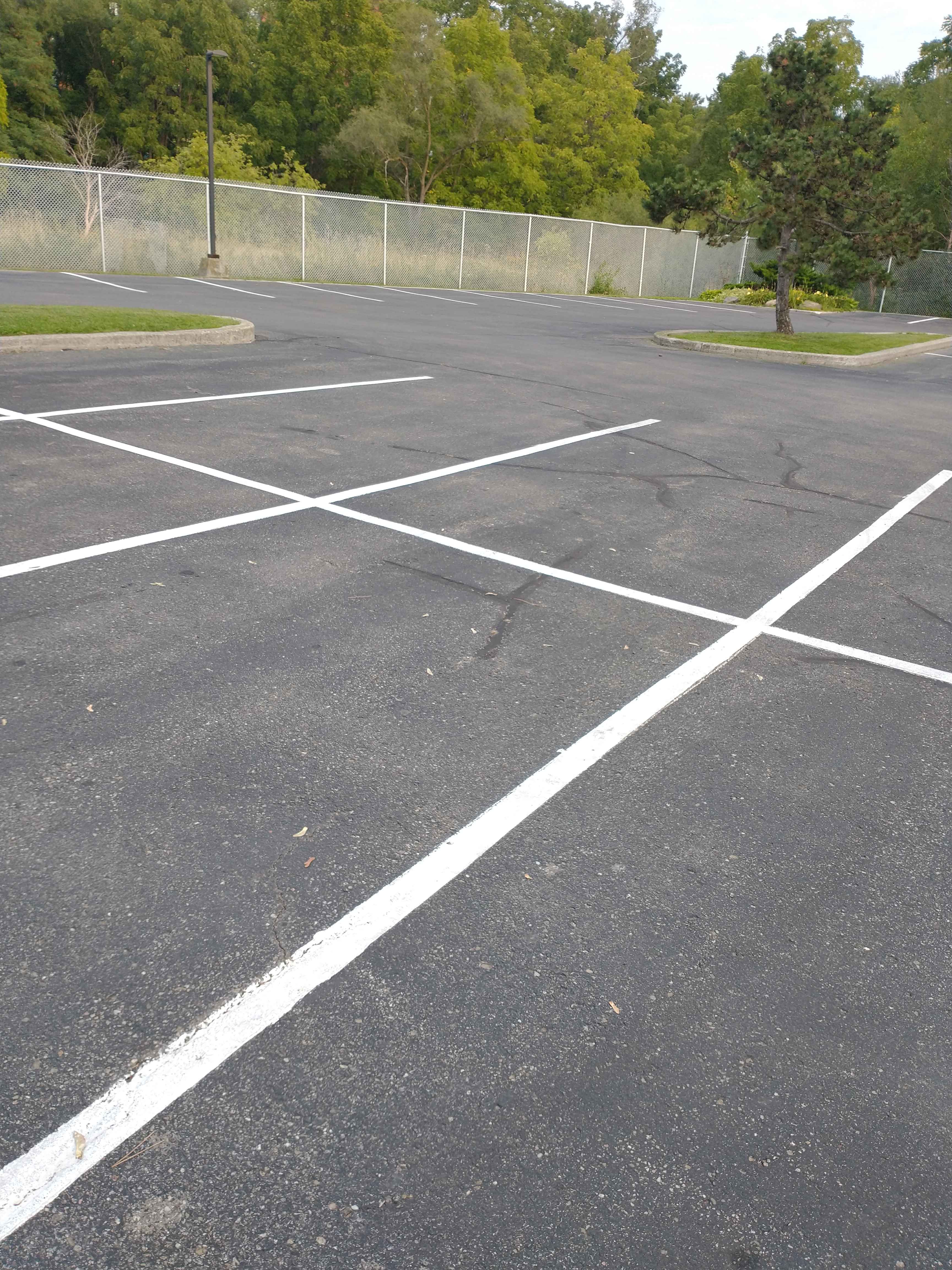
For property managers and business owners, a parking lot is more than just a place to park cars; it is the first impression your business makes on every client and employee. However, beneath the surface of a well-maintained lot lies a complex structure that is constantly battling the elements. In growing regions like Whitby, where seasonal temperature shifts can be extreme, the asphalt undergoes significant stress. Ignoring the early signs of structural degradation can lead to massive repair bills or, worse, liability issues due to trip hazards and vehicle damage.
At Capital Parking Lot Line Painting, we believe that proactive inspection is the cornerstone of long-term pavement health. By learning how to spot the warning signs early, you can transition from reactive, emergency repairs to a sustainable maintenance schedule.
Types of Cracks: Not All Damage is Created Equal
To effectively manage your lot, you must first distinguish between cosmetic surface issues and deep-seated structural failures. Not every crack requires an immediate overhaul, but ignoring the wrong ones can be a costly mistake.
1. Hairline and Surface Cracks
These are often the first signs of aging. They are typically very thin and do not penetrate deep into the asphalt base. While they may look unsightly, they are often manageable through sealcoating. However, if left untreated, they allow water to seep into the sub-base, leading to larger issues.
2. Alligator Cracking (Fatigue Cracking)
This is one of the most serious signs of structural failure. Named for its resemblance to the skin of an alligator, this pattern consists of interconnected cracks that form small, irregular polygons. This indicates that the base layer of your lot has failed or that the asphalt is too thin to support the load of the traffic passing over it. If you see this in your Whitby commercial property, it is time to call in the experts.
3. Longitudinal and Transverse Cracks
Longitudinal cracks run parallel to the direction of traffic, while transverse cracks run perpendicular to it. These are often caused by poor joint construction or temperature-related expansion and contraction. If these cracks widen over time, they are likely being exacerbated by water infiltration.
Common Causes of Structural Failure
Understanding why cracks form helps you predict when they might reappear. Common culprits include:
- Subgrade Instability: If the soil beneath the asphalt wasn't properly compacted, the lot will shift and crack under weight.
- Water Infiltration: Water is the enemy of asphalt. Once it gets under the surface, freeze-thaw cycles expand the cracks rapidly.
- Heavy Load Stress: Frequent passage of heavy delivery trucks can exceed the load-bearing capacity of the pavement.
- Lack of Maintenance: Skipping regular sealcoating or failing to refresh your Line Marking can lead to a general decline in surface integrity.
The Role of Visibility and Safety
Structural integrity is only half the battle; visibility is the other. A lot with deep cracks can become a maze of shadows and confusion. This is where professional Line Painting becomes critical. Clear, bright lines guide drivers away from damaged sections and ensure that traffic flows predictably, reducing the risk of accidents in high-traffic areas.
Capital Parking Lot Line Painting specializes in ensuring that your lot is not only structurally sound but also visually organized. When cracks are repaired, fresh Line Marking helps define the newly repaired areas and maintains the professional aesthetic of your facility.
Don't Wait for the Pothole
By the time a crack becomes a pothole, the damage is deep and the repair is extensive. Regular inspections allow you to catch issues while they are still in the 'surface crack' stage. Capital Parking Lot Line Painting recommends a professional assessment at least once a year to ensure your pavement remains safe and functional.
Summary Checklist for Property Managers
Use this quick guide during your monthly walk-throughs:
- Check for "Alligator" patterns in high-traffic zones.
- Look for standing water after rainfall (indicates drainage/grade issues).
- Inspect the edges of the lot for crumbling or separation.
- Ensure Line Painting is still visible and not fading into the cracks.
- Identify any vertical displacement (one side of the crack is higher than the other).