How Water and Salt Damage Asphalt Through Cracks
Understanding the silent killers of your pavement: the destructive synergy of moisture and winter de-icers.
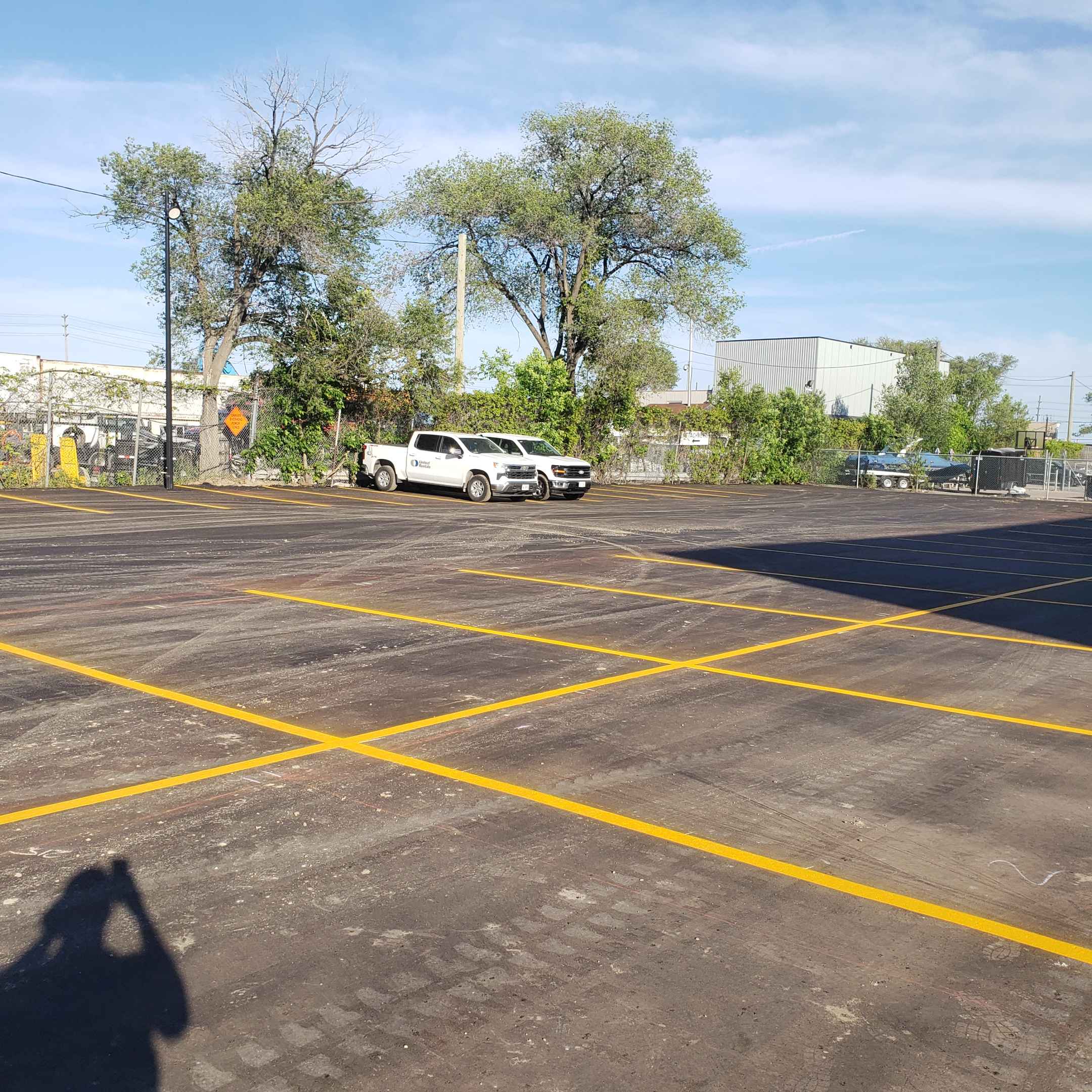
For property owners in Oshawa, maintaining a pristine parking lot is a constant battle against the elements. While we often focus on the visual aspects of a lot—such as fresh Line Painting to guide traffic—the real battle is happening beneath the surface. The most significant threats to the longevity of your asphalt are two of the most common substances on earth: water and salt.
When these two elements combine with the existing imperfections in your pavement, they create a destructive cycle that can turn a minor crack into a massive pothole in a single season. At Capital Parking Lot Line Painting, we see the aftermath of this cycle every year, and understanding the mechanics of this damage is the first step toward effective prevention.
The Science of the Freeze-Thaw Cycle
Asphalt is not a solid, impermeable slab; it is a flexible pavement designed to withstand weight and temperature changes. However, no asphalt is perfectly waterproof. Over time, oxidation and heavy traffic cause small, hairline cracks to form. This is where the trouble begins.
1. Water Infiltration
When rain or melting snow enters these cracks, it travels deep into the sub-base of your parking lot. The sub-base is the foundation that supports the asphalt. Once water reaches this layer, the structural integrity of the entire lot is compromised.
2. The Expansion Force
In a top 30 Ontario city like Oshawa, winter temperatures frequently drop below freezing. When the water trapped inside the cracks freezes, it undergoes a physical transformation: it expands by approximately 9%. This expansion exerts immense upward pressure against the asphalt, widening the cracks and forcing the pavement apart.
3. The Thaw and Collapse
When spring arrives, the ice melts, leaving behind a hollow void beneath the asphalt. Without the support of the frozen ice, the weight of vehicles causes the weakened asphalt to cave into these voids, resulting in the dreaded pothole.
The Role of Road Salt: A Chemical Catalyst
While water provides the physical force for damage, salt provides the chemical catalyst. Road salt (sodium chloride) is essential for winter safety, but it is incredibly aggressive toward asphalt structures.
Salt lowers the freezing point of water, which can actually lead to more frequent freeze-thaw cycles within the cracks. Furthermore, salt-laden water is more corrosive. As it seeps into the aggregate and the bitumen (the "glue" that holds asphalt together), it can begin to break down the chemical bonds of the binder. This process, known as stripping, causes the aggregate to separate from the bitumen, leaving the pavement brittle and prone to crumbling.
How to Protect Your Investment
Prevention is significantly more effective than repair. Once a pothole has formed, the structural integrity of the base is already lost. Capital Parking Lot Line Painting recommends a proactive approach to pavement management.
Key Maintenance Steps:
- Crack Sealing: Filling cracks as soon as they appear to prevent water from reaching the sub-base.
- Sealcoating: Applying a protective layer to shield the asphalt from UV rays and salt penetration.
- Routine Inspection: Regularly checking for signs of wear, such as raveling or alligator cracking.
- Professional Line Marking: Ensuring high-visibility Line Marking to prevent vehicle damage that can cause new cracks.
By addressing these issues early, you extend the life of your asphalt by years, ensuring your property remains safe and professional-looking.
Don't Wait for the Potholes
Ignoring small cracks is a recipe for expensive reconstruction. Capital Parking Lot Line Painting specializes in helping commercial and residential clients maintain their surfaces through every season. From professional Line Painting to comprehensive surface protection, we are your local experts in pavement longevity.