Is Sealcoating Suitable for Older Asphalt Surfaces?
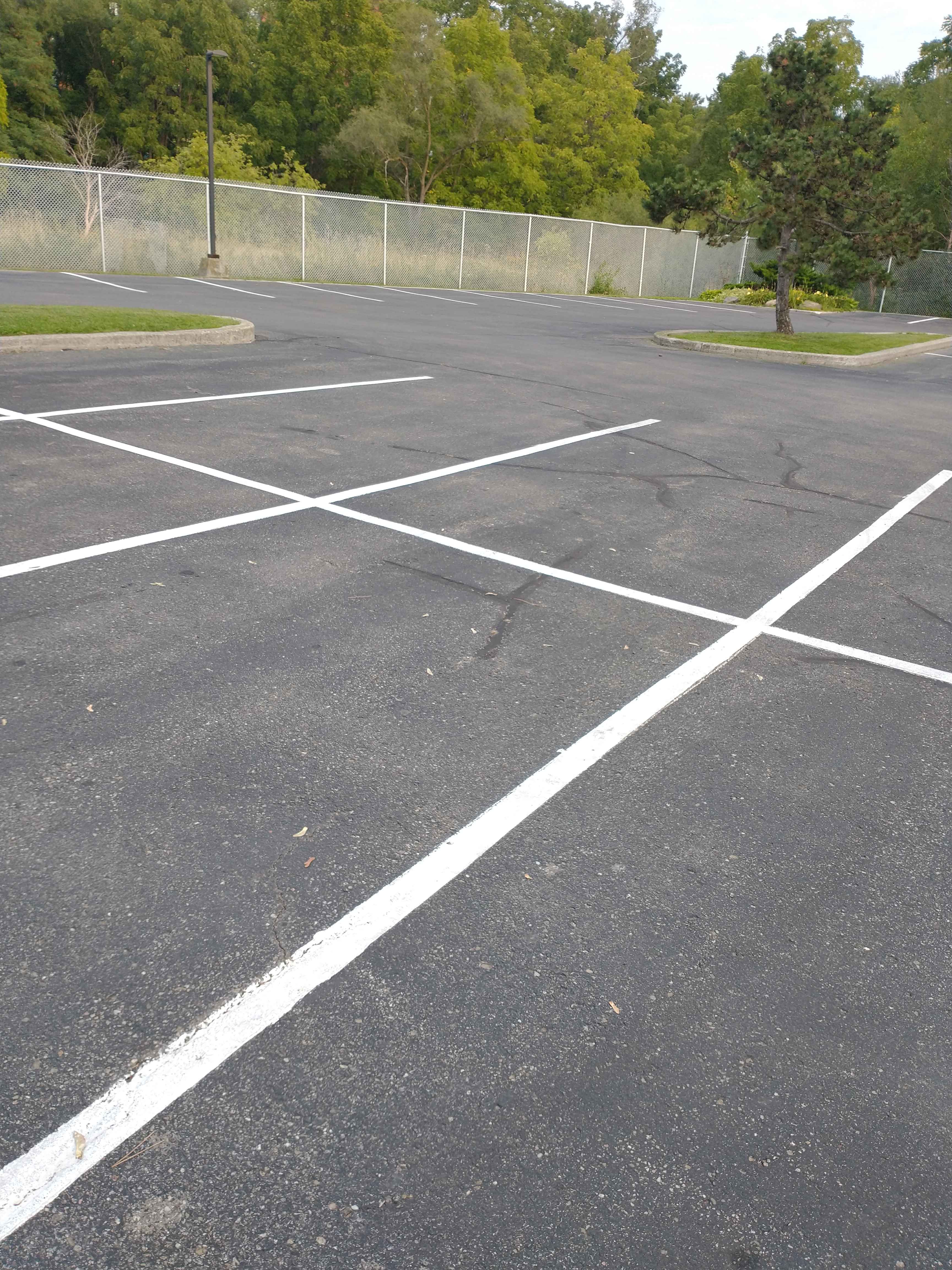
As asphalt ages, it undergoes a visible transformation. The deep, rich black turns to a faded grey, and small cracks begin to spiderweb across the surface. For property owners in Ottawa, determining whether these signs of aging require a simple sealcoat or a more intensive repair is a critical decision for long-term asset management.
Understanding the Role of Sealcoating
Sealcoating is often misunderstood as a "magic fix" for broken pavement. In reality, it is a preventative maintenance tool designed to protect the asphalt binder from the elements. For newer surfaces, sealcoating acts as a shield against UV rays, water penetration, and chemical spills. However, when dealing with older surfaces, the question becomes: can we still protect what is left, or is the structural integrity already compromised?
At Capital Parking Lot Line Painting, we often see property managers struggling to decide if their aging lot is a candidate for maintenance or if it requires a complete overhaul. The answer lies in the distinction between surface oxidation and structural failure.
When Sealcoating is Still an Option
Even if your asphalt looks aged, it may still be a prime candidate for sealcoating if the damage is strictly cosmetic. If your pavement is experiencing "oxidation"—that characteristic grey color caused by sun exposure—sealcoating can restore the appearance and add a fresh layer of protection.
Signs Your Older Surface is Still Sealcoat-Ready:
- Faded, greyish color without deep structural cracks.
- Minor surface raveling (small loose stones).
- Absence of large potholes or significant depressions.
- Cracks that are narrow and do not extend deep into the base layer.
The Red Flags: When to Avoid Sealcoating
Applying sealcoat to a failing surface is a common mistake that can lead to wasted resources. If the base layer of your asphalt has shifted or eroded, sealcoating will only hide the problem temporarily before the surface buckles again. In a climate like Ottawa, where freeze-thaw cycles are aggressive, ignoring structural issues can lead to rapid deterioration.
Critical Issues to Look For:
If you notice any of the following, you should consult with Capital Parking Lot Line Painting before applying any sealant:
- Alligator Cracking: This looks like the scales of an alligator. It indicates that the base layer has failed and the asphalt can no longer support weight.
- Potholes: Deep holes mean water has already penetrated the sub-base, causing the ground to shift.
- Depressions and Rutting: If the surface is uneven or has "channels" worn into it by tires, the structural foundation is compromised.
- Extensive Edge Cracking: Large cracks along the edges of the lot often suggest drainage issues or soil instability.
Pro Tip: Combine Maintenance for Best Results
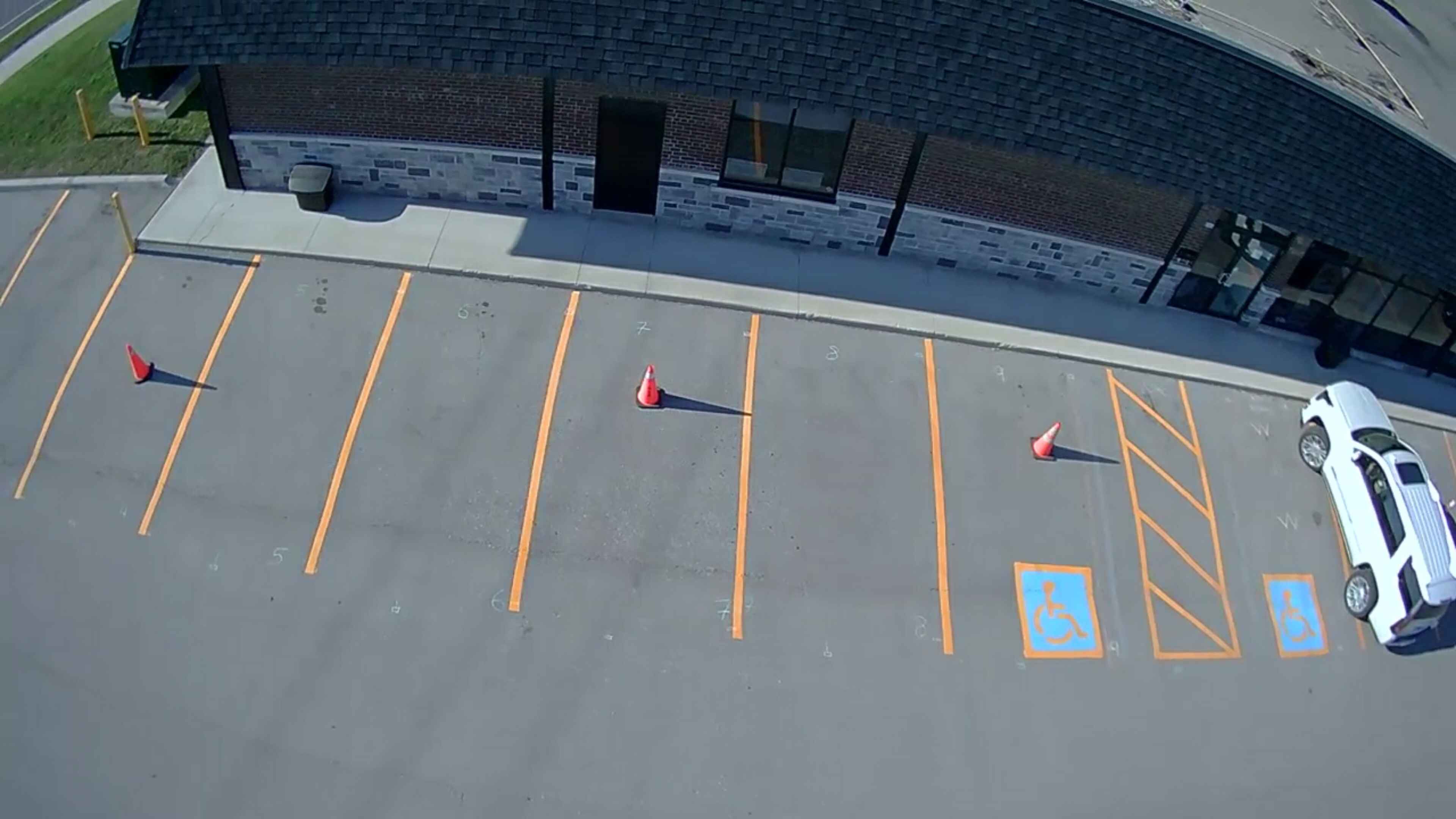
If your surface is in decent shape but looks neglected, we recommend a two-step approach: professional crack filling followed by sealcoating. Once the surface is sealed, we can then perform Line Marking to refresh your parking stalls and traffic directions, giving your property a brand-new appearance without the cost of a full replacement.
The Importance of Professional Line Marking
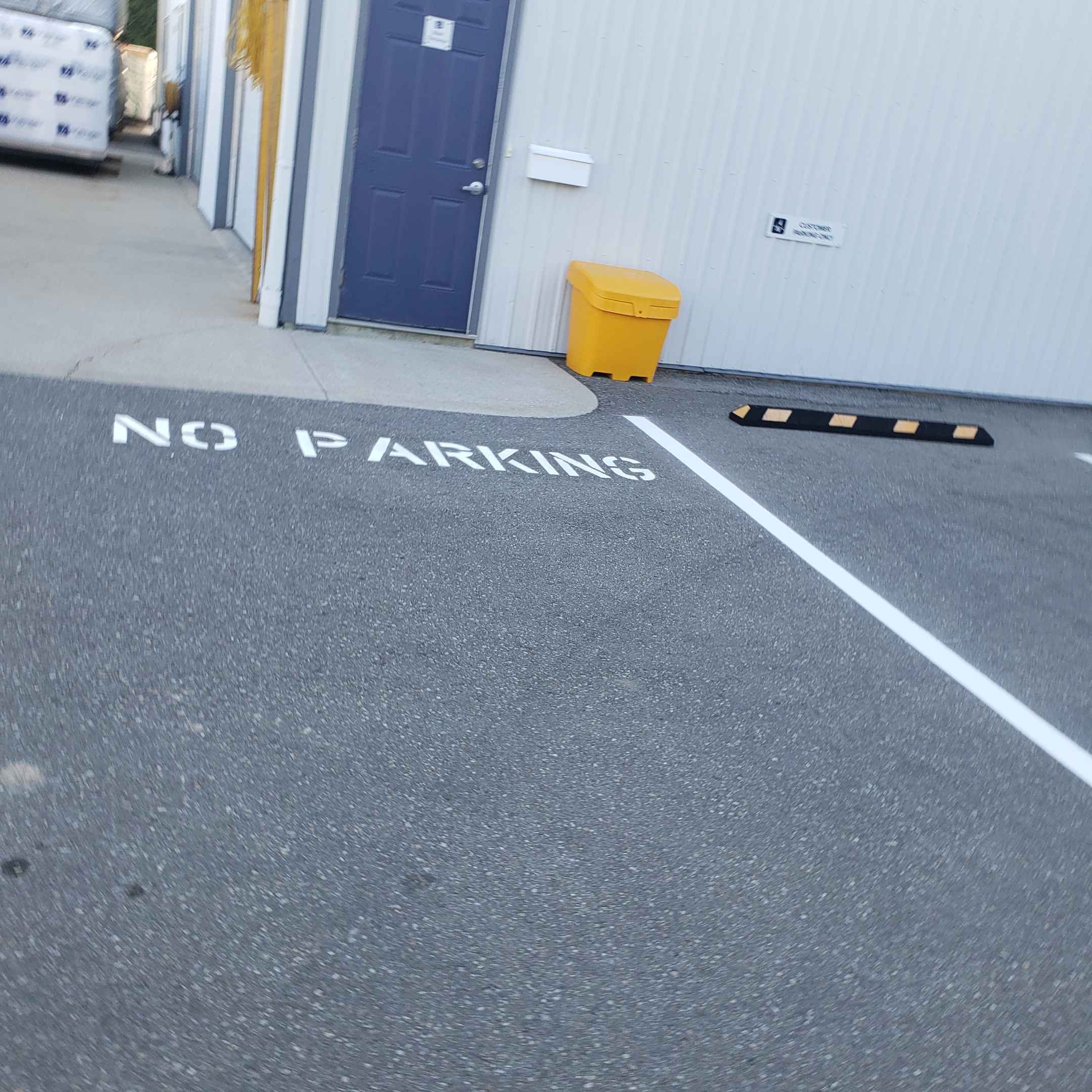
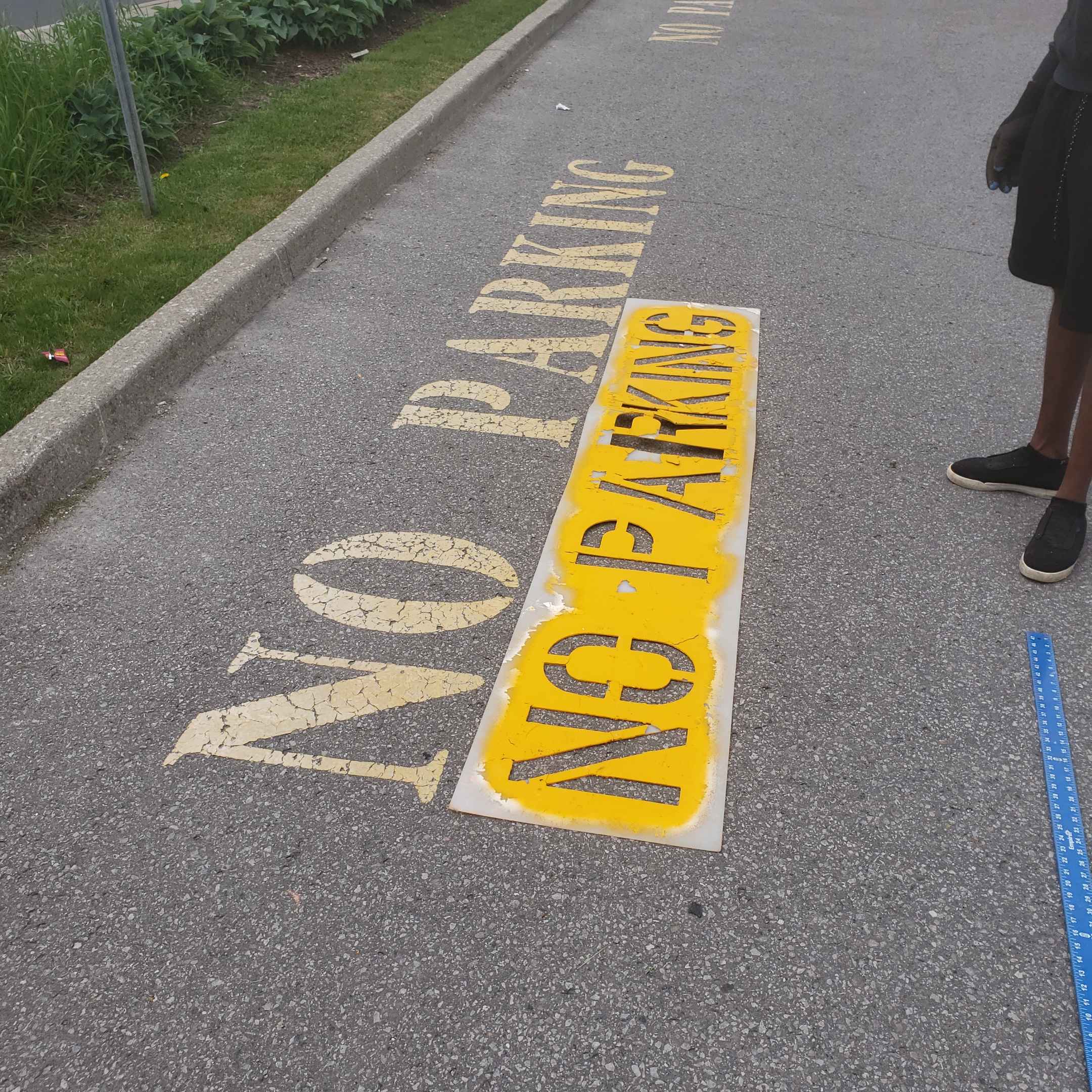
Once an older surface has been properly repaired and sealcoated, the final touch that defines a professional property is Line Marking. Fresh, bright lines provide safety, organization, and curb appeal. Whether you need to redefine handicap spaces or refresh directional arrows, high-quality Line Painting ensures your lot remains compliant and easy to navigate for customers.
Capital Parking Lot Line Painting specializes in helping property owners navigate these decisions, ensuring that every dollar spent on maintenance contributes to the longevity of the pavement.
Conclusion
Is sealcoating suitable for older asphalt? The answer is a conditional "yes." If the aging is superficial, sealcoating is a highly effective way to extend the life of your investment. However, if the cracks are deep and the structure is failing, sealcoating is merely a bandage on a wound that needs stitches. Always perform a thorough inspection to ensure you are choosing the right path for your property's future.