What Facility Managers Should Know About Thermoplastic Marking
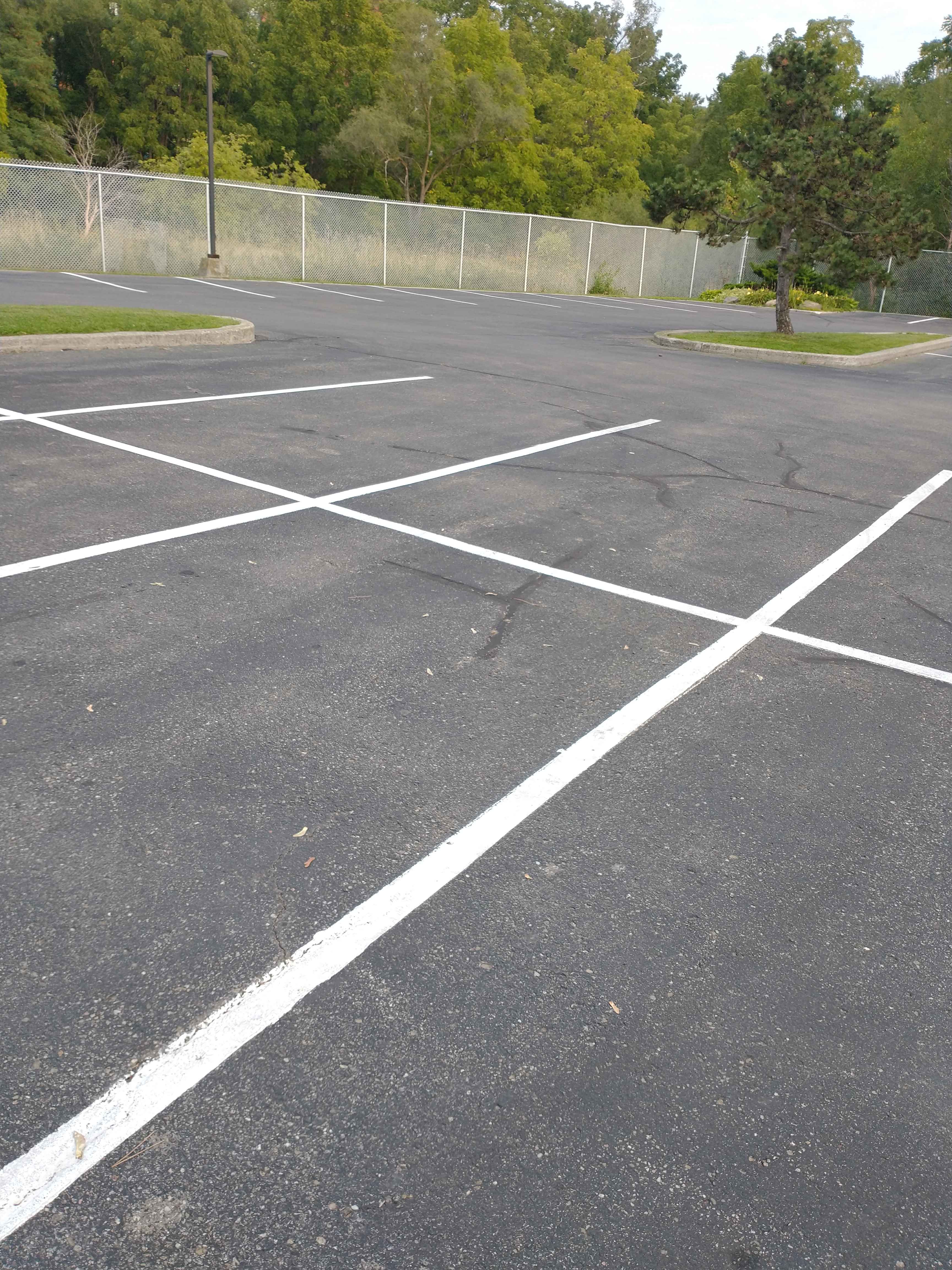
Maintaining a safe, organized, and visually appealing parking facility is a constant challenge for property managers. As foot traffic increases and vehicle wear-and-tear intensifies, the methods used for pavement markings become critical to long-term asset management.
The Challenge of High-Traffic Environments
For facility managers in busy hubs like Burlington, a top 30 city in Ontario, the demands on asphalt and concrete surfaces are immense. From commercial shopping centers to industrial complexes, the constant movement of vehicles can quickly degrade standard paint. When lines fade, visibility drops, safety risks rise, and the professional image of your facility suffers.
This is where specialized material science meets practical application. While many opt for basic solutions, professional facility managers are increasingly turning to thermoplastic marking to ensure their investments stand the test of time.
What Exactly is Thermoplastic Marking?
Unlike traditional water-based or solvent-based paints, thermoplastic is a hot-applied material. It consists of a mixture of thermoplastic resin, pigments, and additives that are heated to a molten state before being applied to the pavement. Once it cools, it creates a hard, durable, and slightly raised profile on the surface.
At Capital Parking Lot Line Painting, we understand that choosing the right material is just as important as the application itself. Thermoplastic provides a level of structural integrity that standard line marking simply cannot match.
Key Benefits of Thermoplastic for Facility Managers
Why should you consider upgrading your maintenance schedule to include thermoplastic? Here are the primary advantages:
- Superior Durability: Because it bonds chemically and physically to the surface, it resists chipping and peeling much longer than standard paint.
- Enhanced Visibility: The thickness of the material allows for better light reflection, which is crucial for nighttime safety.
- High Retroreflectivity: Thermoplastic can easily incorporate glass beads that remain embedded in the material, ensuring high visibility under headlights.
- Weather Resistance: In regions like Burlington, where seasonal shifts can be harsh, thermoplastic holds up against snowplows and heavy rain.
- Long-Term Cost Efficiency: While the initial application is a significant task, the extended lifecycle means fewer repainting cycles over the years.
Invest in Longevity
Don't settle for temporary fixes. When you choose Capital Parking Lot Line Painting, you are choosing a solution designed for high-performance environments.
Application Considerations: What to Watch For
Thermoplastic is not a "DIY" material. It requires specialized heating equipment and precise temperature control. If the material is too cool, it won't bond; if it is too hot, the chemical properties can degrade. Facility managers should look for several key indicators when vetting a contractor for line marking:
1. Surface Preparation
The pavement must be clean, dry, and free of debris. Any oil or dust left on the surface will prevent the thermoplastic from bonding, leading to premature failure.
2. Temperature Management
A professional team, such as the experts at Capital Parking Lot Line Painting, will monitor the molten temperature throughout the entire process to ensure consistent quality across the whole lot.
3. Precision and Layout
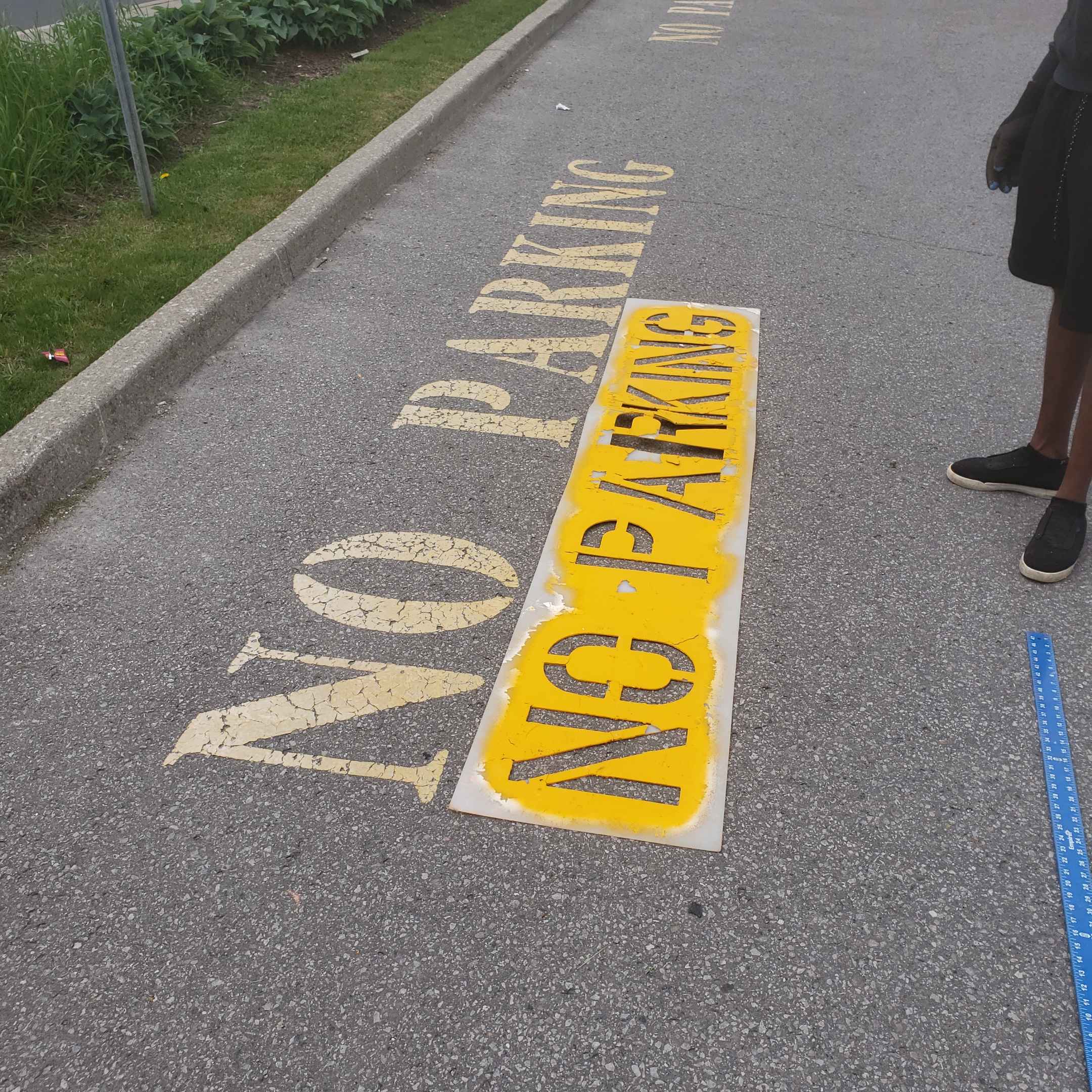
Thermoplastic is harder to correct once it cools. Therefore, the initial layout and stencil work must be perfect. Accurate line marking is essential for optimizing parking stall density and traffic flow.
Common Mistakes in Facility Maintenance
Many managers fall into the trap of choosing the easiest or fastest option available. However, in the world of pavement management, speed often comes at the expense of longevity. Avoid these common pitfalls:
- Ignoring Wear Patterns: Waiting until lines are completely invisible before scheduling maintenance.
- Using Incompatible Materials: Attempting to apply thermoplastic over old, peeling paint without proper removal or priming.
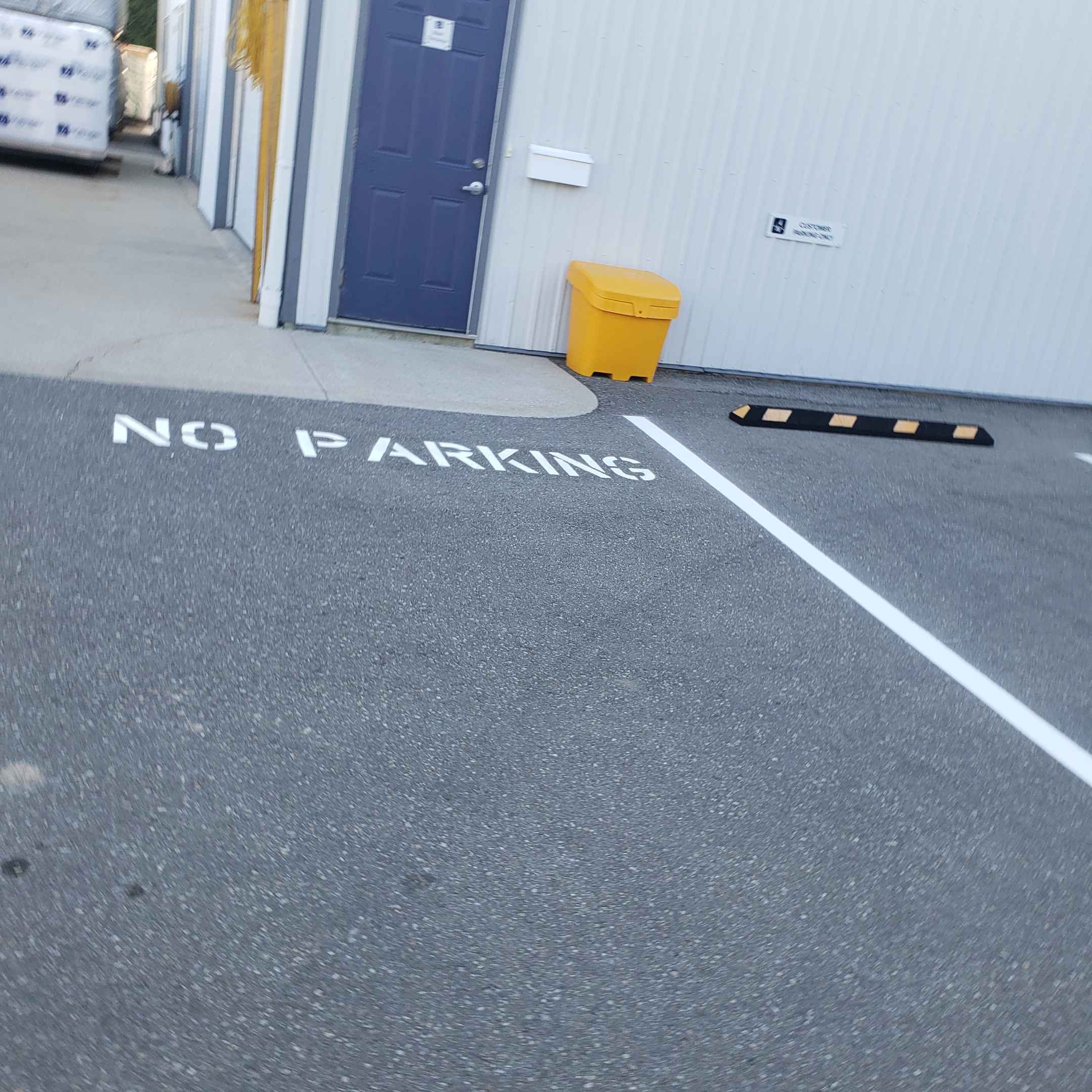
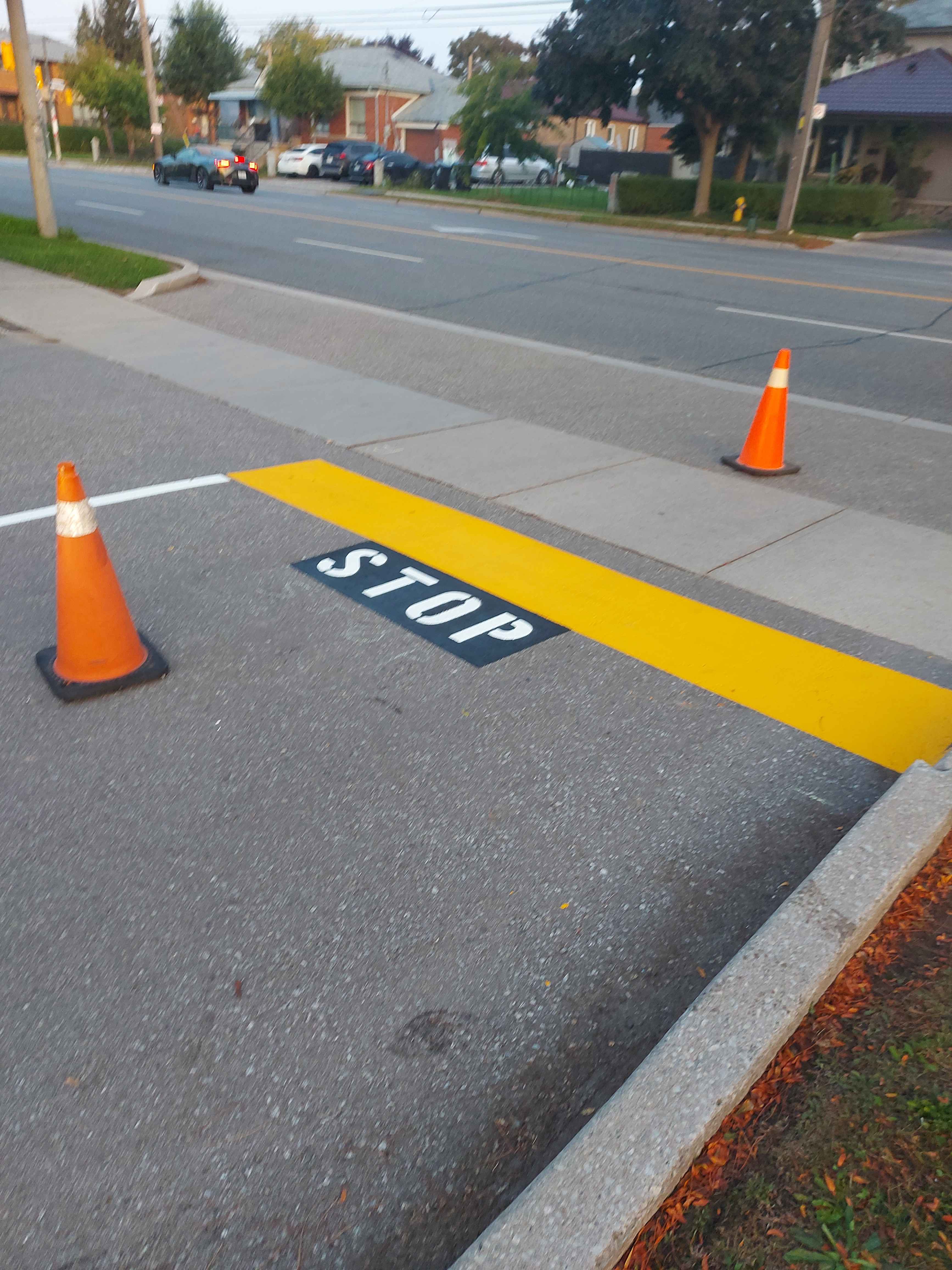
Neglecting Safety Compliance:Failing to use high-visibility markings in pedestrian crossings or handicap stalls.
Conclusion
For a facility manager, the goal is to minimize disruption while maximizing safety and curb appeal. Thermoplastic marking offers a high-performance solution that addresses the heavy-duty needs of modern commercial properties. By investing in superior materials and professional application, you ensure your facility remains safe, compliant, and professional for years to come.