Top Mistakes Facility Managers Make When Overlooking Cracks
Understanding the silent progression of pavement deterioration before it becomes a structural catastrophe.
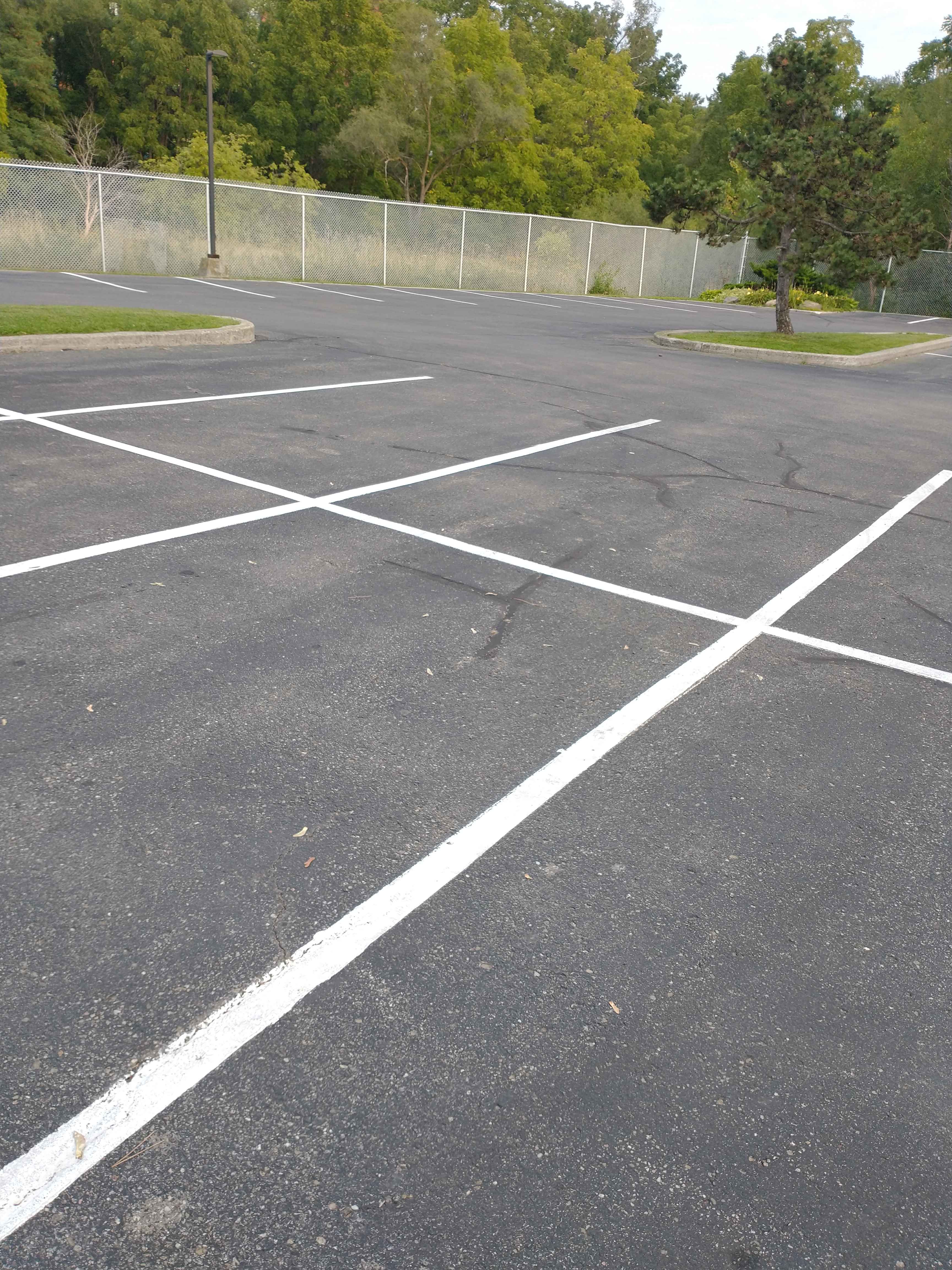
For facility managers, the daily grind often involves managing a thousand moving parts. Between HVAC systems, lighting, and security, the exterior asphalt often falls to the bottom of the priority list. However, one of the most significant errors a manager can make is treating small cracks in the pavement as mere cosmetic issues. In a climate like Thunder Bay, where freeze-thaw cycles are brutal, a small fissure today is a massive pothole tomorrow.
At Capital Parking Lot Line Painting, we have seen firsthand how neglected surfaces transition from minor inconveniences to major liabilities. This article explores the common pitfalls facility managers encounter and how to avoid them.
1. The 'Wait and See' Approach
The most common mistake is the belief that cracks will remain stable if they aren't being stepped on. Asphalt is a flexible pavement, but it is not invincible. When water enters a crack, it travels deep into the sub-base. In a top 30 Ontario city like Thunder Bay, that water freezes, expands, and creates immense pressure from beneath the surface.
By the time a manager decides the crack is "big enough" to fix, the structural integrity of the base layer has likely already been compromised. This turns a simple crack sealing job into a full-scale reconstruction project.
2. Ignoring the Relationship Between Cracks and Line Marking
Many managers view crack repair and line marking as two entirely separate maintenance schedules. This is a mistake. When you perform high-quality line painting, the fresh markings actually help highlight the condition of the surface. A well-maintained lot with crisp, bright lines makes it much easier to spot new structural issues during routine inspections.
If your line marking is fading or peeling, it might not just be the paint quality; it could be a sign that the underlying asphalt is shifting due to unaddressed cracks. Capital Parking Lot Line Painting recommends integrating surface repairs with your aesthetic updates to ensure a cohesive and long-lasting result.
Why Neglect is Costly: The Ripple Effect
Ignoring cracks doesn't just hurt the pavement; it affects the entire facility ecosystem. Here are the primary risks associated with oversight:
- Liability Risks: Unaddressed cracks can lead to trip-and-fall accidents, creating significant legal exposure for the facility.
- Vehicle Damage: Deepening cracks and emerging potholes can damage customer vehicles, leading to complaints and potential reimbursement claims.
- Drainage Issues: Cracks can redirect water flow, leading to pooling in areas not designed for it, which further weakens the asphalt.
- Reduced Curb Appeal: A cracked, weathered lot sends a message of neglect to your clients and tenants.
3. Using Improper Repair Materials
Not all fillers are created equal. A common mistake is attempting "DIY" fixes using low-grade materials found at local hardware stores. These materials often lack the elasticity required to handle temperature fluctuations. When the temperature drops, the cheap filler becomes brittle and pops out, leaving the crack wide open once again.
Professional services, such as those provided by Capital Parking Lot Line Painting, use industrial-grade hot rubberized crack sealants designed to bond with the asphalt and expand/contract with the seasons. This ensures the repair actually lasts.
Proactive Maintenance Strategy
Don't wait for the failure. Implement a bi-annual inspection schedule. Check for hairline fractures in the spring and after the heavy winter thaw. Combining crack sealing with fresh line painting is the most cost-effective way to maintain a professional appearance and structural longevity.
Conclusion
Facility management is about foresight. By recognizing that cracks are symptoms of deeper issues, you can transition from reactive, expensive repairs to proactive, strategic maintenance. Protecting your asphalt investment ensures safety, reduces liability, and maintains the professional image your business deserves.