What Causes Cracks to Reappear After They’re Filled?
It is one of the most frustrating experiences for a property manager: you invest in professional crack repair, only to see those same dark lines creeping back through your asphalt just a few months later.
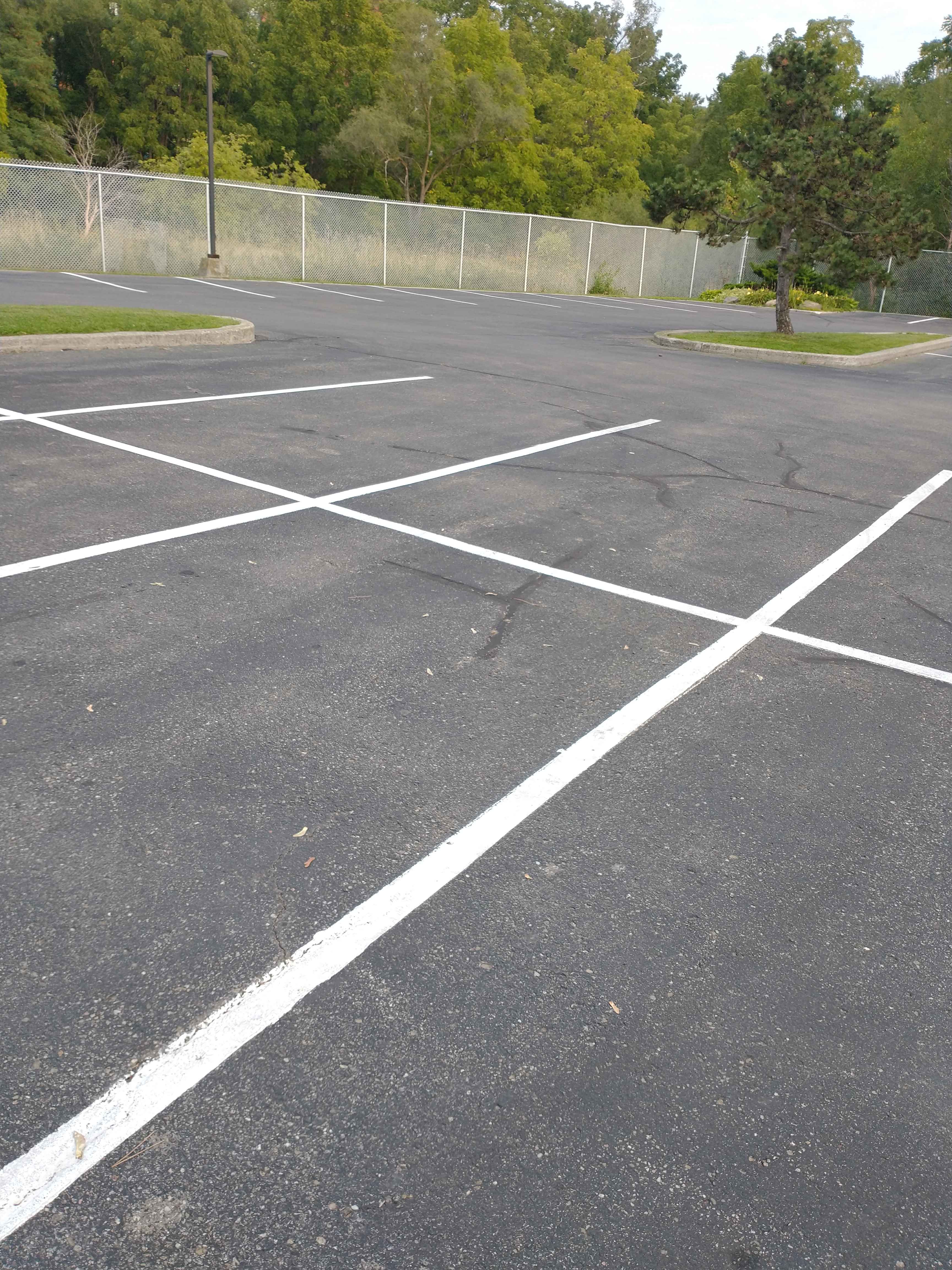
Asphalt is a dynamic material. It is constantly reacting to the environment, the weight of vehicles, and the very ground it sits upon. When cracks reappear, it is rarely a sign that the filler itself failed; rather, it is usually a symptom of a deeper, underlying issue that wasn't addressed during the initial repair. At Capital Parking Lot Line Painting, we see this frequently, and understanding the 'why' is the first step toward a permanent solution.
In a bustling area like Kitchener, where seasonal shifts are extreme, the lifecycle of asphalt can be significantly impacted by local environmental factors.
1. Subgrade Instability: The Foundation Problem
Think of your parking lot like a house. If the foundation shifts, it doesn't matter how beautiful the walls are; cracks will eventually appear in the drywall. In pavement terms, the 'foundation' is the subgrade—the soil and base layers beneath the asphalt.
If the soil underneath your lot was not properly compacted during construction, or if water has washed away the fine particles in the base layer, the ground will settle unevenly. This movement creates tension in the asphalt surface. When you fill a crack caused by settling, you are essentially putting a bandage on a moving target. As the ground continues to shift, the tension pulls the asphalt apart again, breaking the bond of the filler.
2. The Freeze-Thaw Cycle in Ontario
For property owners in Kitchener, the climate is a major player in pavement degradation. Ontario experiences significant temperature swings. During the winter, water seeps into tiny, microscopic cracks. When that water freezes, it expands, exerting massive pressure on the surrounding asphalt. This is known as frost heave.
When the ice melts in the spring, it leaves behind voids or soft spots. This constant cycle of expansion and contraction acts like a slow-motion lever, prying cracks wider and deeper. If a repair doesn't account for this thermal movement, the crack will inevitably reopen.
3. Improper Cleaning and Preparation
Sometimes, the failure isn't environmental, but procedural. For a crack filler to bond effectively, the crack must be surgically clean. If a technician fills a crack that still contains dirt, moisture, or old, crumbling bitumen, the new material has nothing to grip onto.
Capital Parking Lot Line Painting emphasizes that professional-grade preparation is non-negotiable. If the crack isn't blown out with compressed air or heat-cleaned to remove debris, the filler will simply sit in the gap like a plug in a loose hole, eventually popping out or being bypassed by the spreading crack.
Common Mistakes in Asphalt Maintenance
To avoid the cycle of recurring repairs, it is important to recognize what often goes wrong during maintenance attempts. Avoid these common pitfalls:
- Using low-quality, DIY-grade fillers that lack the elasticity to handle temperature changes.
- Ignoring wide cracks that actually require a structural patch rather than a simple liquid filler.
- Neglecting drainage, which allows water to pool and saturate the subgrade.
- Applying Line Marking or Line Painting over cracked surfaces without first addressing the structural integrity.
How to Ensure Long-Lasting Results
Preventing the reappearance of cracks requires a holistic approach to pavement management. It isn't just about filling holes; it's about maintaining a system. When you work with experts like Capital Parking Lot Line Painting, the focus shifts from reactive patching to proactive preservation.
A comprehensive maintenance plan should include:
- Regular Inspections: Catching small cracks before they become structural failures.
- Proper Drainage Management: Ensuring water is directed away from the asphalt base.
- Sealcoating: Protecting the surface from UV oxidation and water penetration.
- Professional Line Marking: Ensuring your Line Painting is applied to a clean, stable surface to maintain visibility and safety.
Don't Chase the Cracks—Fix the Cause
Stop wasting resources on temporary fixes. Contact the pros at Capital Parking Lot Line Painting to assess your pavement's health and provide a solution that lasts through the Ontario seasons.